“His winnowing fork is in His hand…” — Matthew 3:12
I once thought destruction meant only loss. Wherever it appeared, it seemed hapless, random, and cruel to the core.
That random afternoon, when the sirens split the air and the wind pressed its fists against my home, I felt how small we truly are. The walls trembled. The windows seemed to inhale and exhale with the storm. I stood frozen, unsure which corner of the house could offer refuge. When the tree crushed my car, and the patio furniture took flight as though weightless, I realized how quickly the familiar can be uprooted.
“The Lord has His way in the whirlwind and in the storm” (Nahum 1:3).
When the storm passed, something unexpected remained: clarity.
The path of destruction zigzagged with strange precision—my front yard torn open while my neighbor’s home stood untouched. It felt arbitrary, almost surgical. That sight forced me to confront something larger than weather patterns. There is a sovereignty in the wind.
“He makes His messengers winds, His servants flames of fire” (Psalm 104:4).
Control is an illusion we cradle too tightly. I often find my hands clenched around it.
But a deeper look reveals that in nature, nothing is wasted. Forests depend on fire. Soil is enriched by what once seemed catastrophic. What scientists call ecological succession reveals a divine pattern: disturbance is not the end of life, but often the beginning of deeper growth.
“Unless a grain of wheat falls into the earth and dies, it remains alone; but if it dies, it bears much fruit” (John 12:24).
Our souls are not so different.
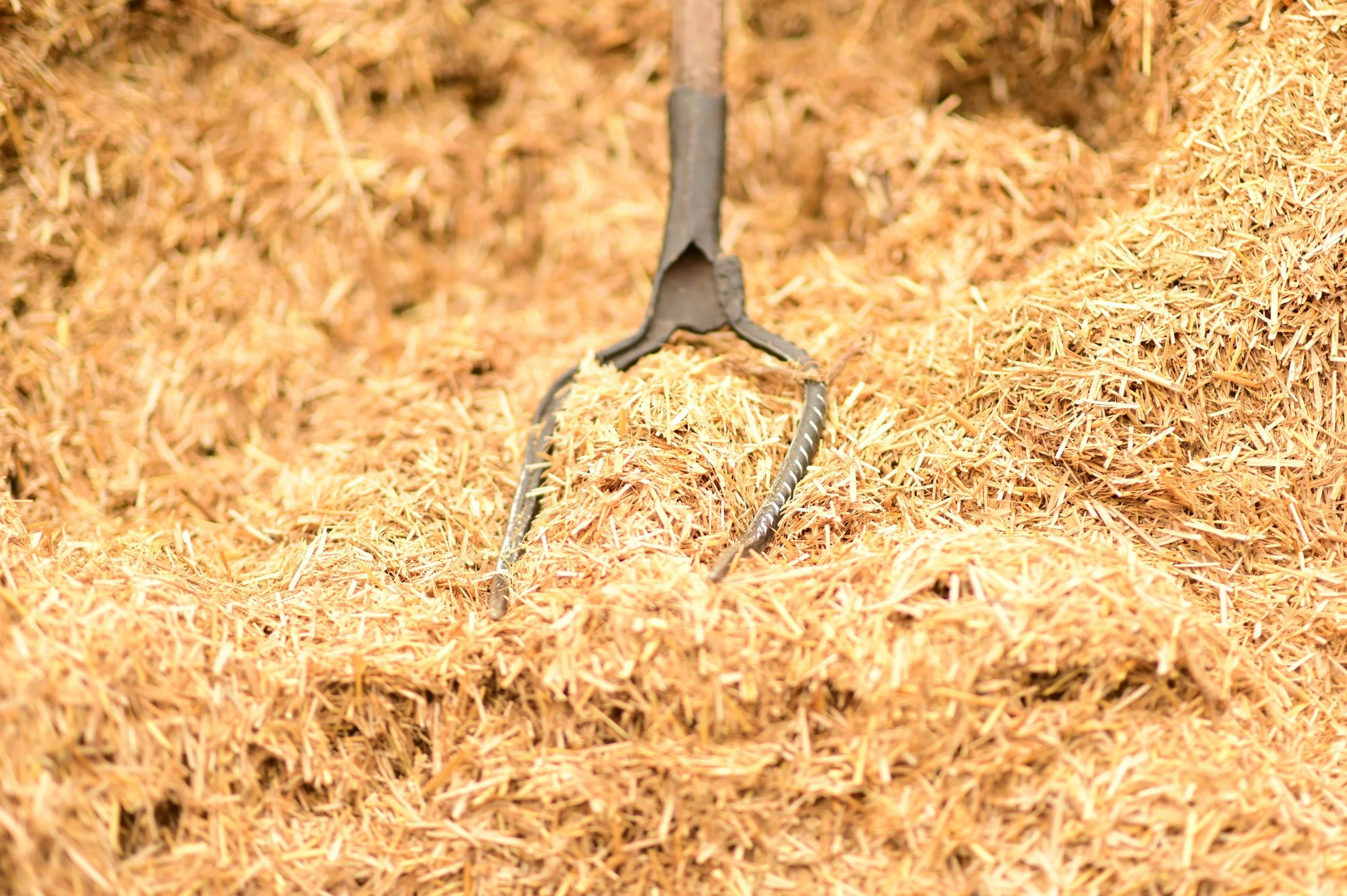
Grief is a winnowing fork. It separates what is eternal from what was merely assumed to be permanent. John the Baptist spoke of One “whose winnowing fork is in His hand” (Matthew 3:12). Winnowing is not meant to destroy the grain, but to remove the chaff. The shaking feels violent, but the intention is refinement.
When I lost my oldest son, it felt as though my inner landscape had been scorched. The familiar canopy of joy, expectation, and future dreams was stripped away in a single, unbearable season.
I did not choose the plowing. I did not understand it. I could only endure it.
There is a kind of holy barrenness that follows such loss. It remains within me all these years later. It is not as stark as it once was, but it is now part of my soul’s DNA—empty, incomplete, yearning. A part that was once whole. At times, it feels like standing in a no-man’s land.
But the Lord promises, “Those who sow in tears shall reap with shouts of joy” (Psalm 126:5).
Over time, with grace and patience, something does begin to take root in that exposed soil. Compassion deepens. Perspective sharpens. Eternity feels nearer. The brevity of life is no longer theoretical; it is carved into the heart.
“He heals the brokenhearted and binds up their wounds” (Psalm 147:3).
God’s power over nature is not merely displayed in the storm, but in what grows afterward.
“See, I am making all things new” (Revelation 21:5).
The same hand that allows the wind to shake a house also steadies the soul when everything familiar has fallen. The same force that uproots also replants. And though I would never choose the fire, I cannot deny that in its aftermath, my vision changed. What mattered became clearer. What was fragile was revealed. What was eternal stood firm.
“For our light and momentary troubles are achieving for us an eternal glory that far outweighs them all” (2 Corinthians 4:17).
Destruction, then, is not the opposite of purpose; sometimes it is the doorway through which God leads us to purpose.